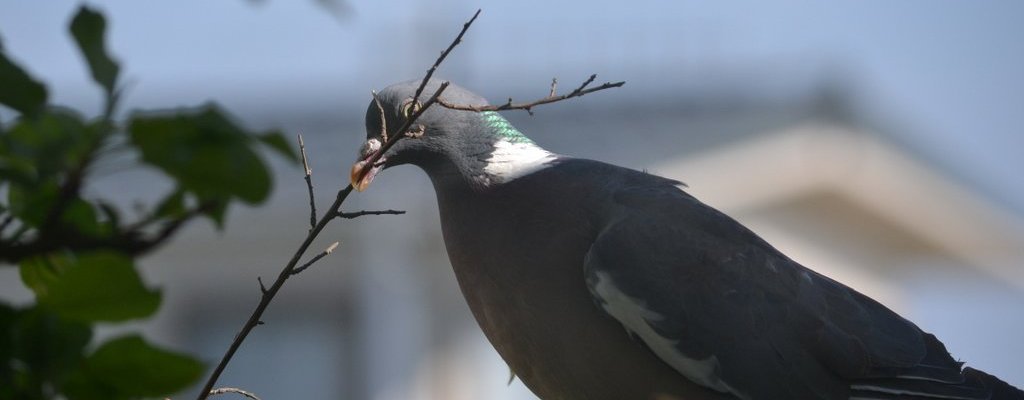
Seagulls, grey squirrels, and foxes are just some of the species that seem to thrive in our cities in spite of us, thanks to their tenacity and adaptability and their willingness to tolerate us in return they benefit from our wastefulness and sometimes our handouts.
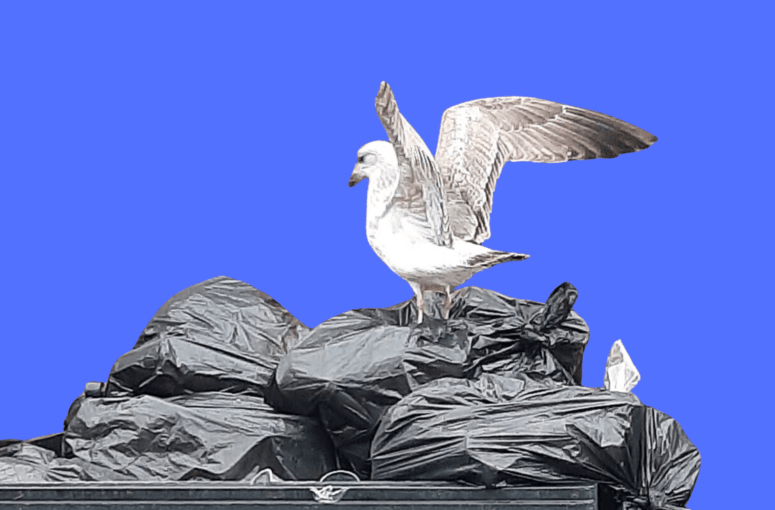
A herring gull easily rips apart rubbish bags overflowing from bins in Bournemouth in search of food. A reduction in habitat and natural food source bring gulls like these ever closer to us.
Generalist feeders such as carrion species, rats, grey squirrels, and foxes will supplement their diet with our waste, junk food containers discarded in the street are mined for calorie-rich morsels, they are very familiar with our wasteful habits. These resourceful birds are used to scooping up our leftovers, and our seaside towns and rubbish dumps provide ample food. But this is – perhaps unsurprisingly – creating conflict and drastic solutions with two Councils in England trialling culls and more expected to follow. And this is in spite of their declining numbers and ‘red-list status’
“We have lost more than 40 million birds in the UK in the last 50 years. It would be great if we could spend a lot more time thinking about how we can restore habitats to bring wildlife back rather than trying to remove birds where we have problems“.
Tony Whitehead, country communications manager for the RSPB
We are responsible for their lack of natural habitat and food and create food waste like no other species, yet as soon as they behave in a way that adapts and takes advantage of our behaviour we view them with distrust and disdain rather than curiosity and empathy. This is a conflict we have complete control over, and so far it seems our response is to reduce their population still further once they become a nuisance.
Our response to our new neighbours is going to be key to their survival. According to recent studies, “approximately three-quarters of England’s breeding population of HG [herring gulls] are now utilising our towns and cities for nesting.”
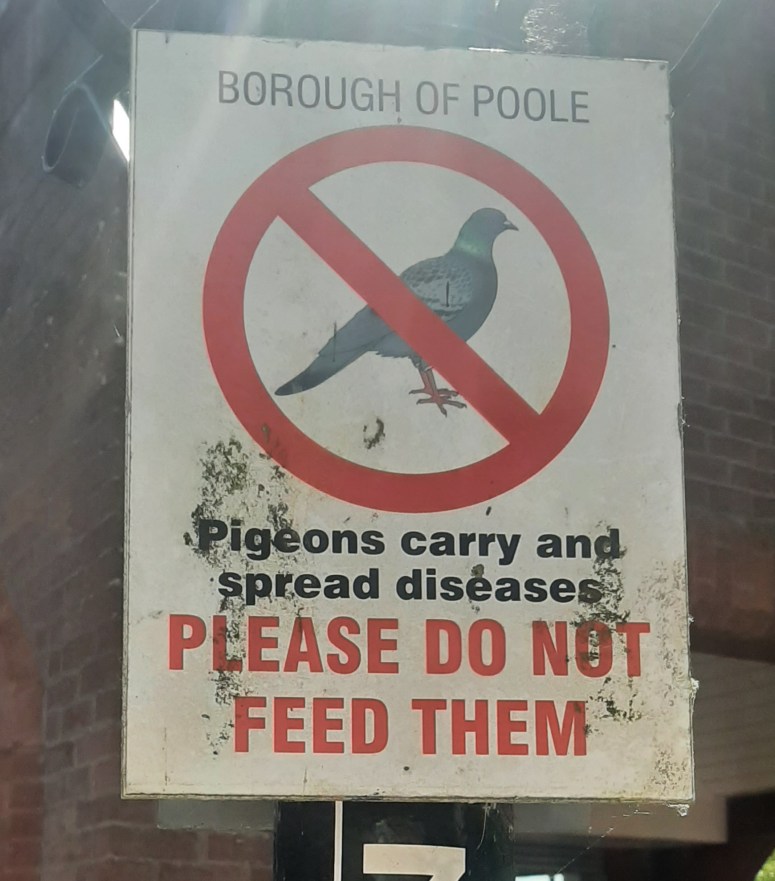
I remember a time when feeding the pigeons was a tourist attraction, in an old photo album there’s a photo of 10-year-old me with my arms outstretched, my hands filled with birds seed and there’s a pigeon on my head, I am standing at the foot of Nelson’s Column in Trafalgar Square, where signs now abound warning visitors NOT to feed those pigeons.
By the time I moved to London, these feral cohabitees had earned the name ‘rats with wings’ and they were generally treated as vermin and general disdain. I used to look on in horror at the twisted injuries to their feet. Our disgust with rats perhaps has some cause given their association with the Plague, but our disdain for the gently cooing dove family pigeon is more recent and less obvious. Their wild ancestor the rock dove is limited to the north and west coasts of Scotland, on islands, and on Northern Ireland coasts, but the urban and successful cousin thrives in our urban areas.
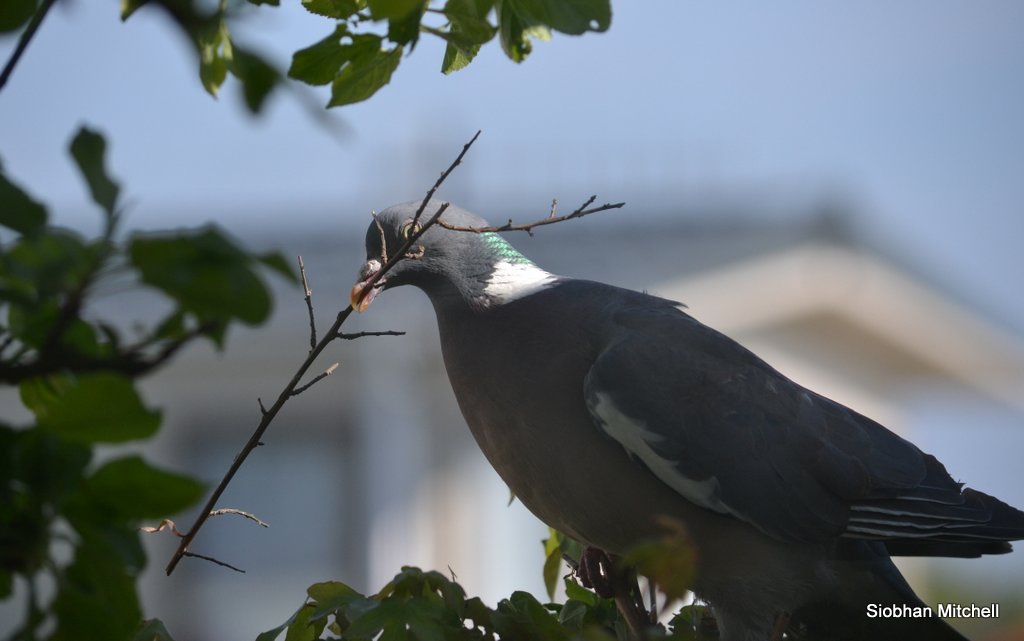
It does indeed seem that familiarity can breed contempt, these urban wildlife survivors and thrivers meet with the best and the worst of human nature, their visibility affords them little protection from our whims, and their search for food and a place to raise their young brings them right into our gardens, and rooftops. Their droppings litter smart decking areas, their nests block chimneys and their search for food adds to the street litter that is part of urban life.
For me, I am in constant awe at just how much wildlife survives in our towns and cities, how they survive in spite of us is a wonder that will never cease to amaze me.

