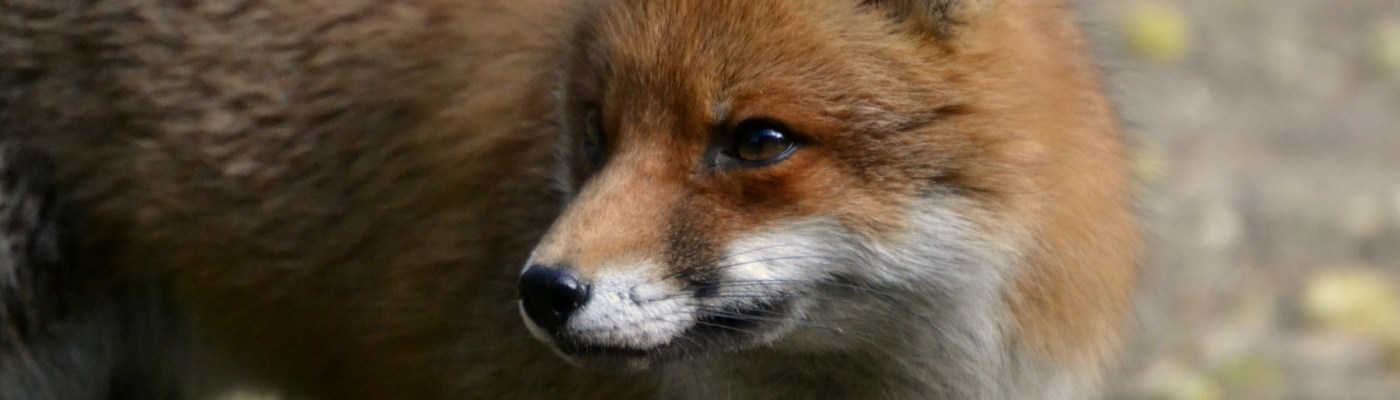
The closer we look the more we see mammals are more and more like us. Recent observations of lynxes in Spain revealed generations of mothers occupying the same territory, the eldest grandmother reaching the amazing age of 16, the maternal knowledge and cooperation demonstrated in this group show us how success can be built.
Researching the lives of foxes and lynxes shows me how much we still have to learn about these creatures, both predators are given an almost mystical image when viewed from afar, a strange otherness, yet when viewed up close they become no more or less magical than fellow humans. Their dramas are the same, they live, they love, they fight, they care deeply about their young. As their mystique vanishes so my connection with them grows.
I find it fascinating that the exaggerated intelligence of the fox, which I’ve grown up with and which gave me and probably many other young animal lovers some joy as fox after fox outwits big, dumb farmers in children’s books and films, has I belatedly realise justified the vile actions of man. The crafty, cunning and cruel foxes of the Fox and the Hound and the Belstone Fox both apparently guide man’s best friends to their death, this action is used to justify man’s actions when revenge must be had.
The rival must be seen to be a strong adversary in order to justify the cruel pursuit and torture that is foxhunting. That torture is most apparent when in the name of a more exciting and spirited rival the activity of ‘cubbing’ takes place, when two canine species are unnaturally pitted against each other, the hound to be taught to kill, the fox cub to be taught to be cunning, all the more fun to chase. Foxhunting is clearly an activity on its way out and it cannot be soon enough for me. The Iberian lynx is recovering its historic range in leaps and bounds, and the Eurasian lynx could soon be returned to the British Isles. As we watch ever closer these species alongside us, they become more mundane and more like us.
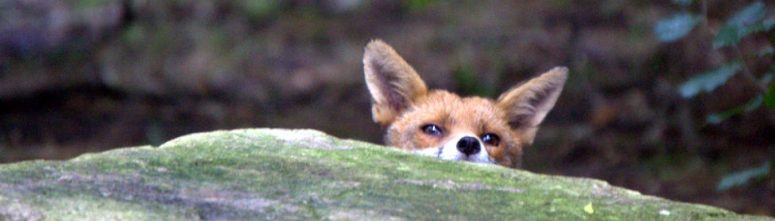
It is only recently that we have discovered that foxes are as involved and as loving as any good, expectant human father. Through observation we have discovered that, when the heavily pregnant vixen goes to earth days before giving birth, the father brings her food, leaving it at the entrance to the den. That he continues to provide for her for the first couple of weeks when the cubs are tiny, vulnerable, eyes closed to the world, so that she can stay underground with them. And he continues to share the joy and responsibilities as they move out of their den, sharing the task of teaching the youngsters to hunt.
There is not yet such as intimate view of lynx fathers, captive born lynxes do not meet their own fathers, but wild born lynxes do, and the intensity of the scrutiny on Iberian lynxes reintroduced into the wild has again and again shown fathers with their cubs, including playing with the youngsters. It is of course, only speculation, but could these fathers be as involved as foxes, caring for the mothers of their young, bringing them extra food in the crucial early stages?
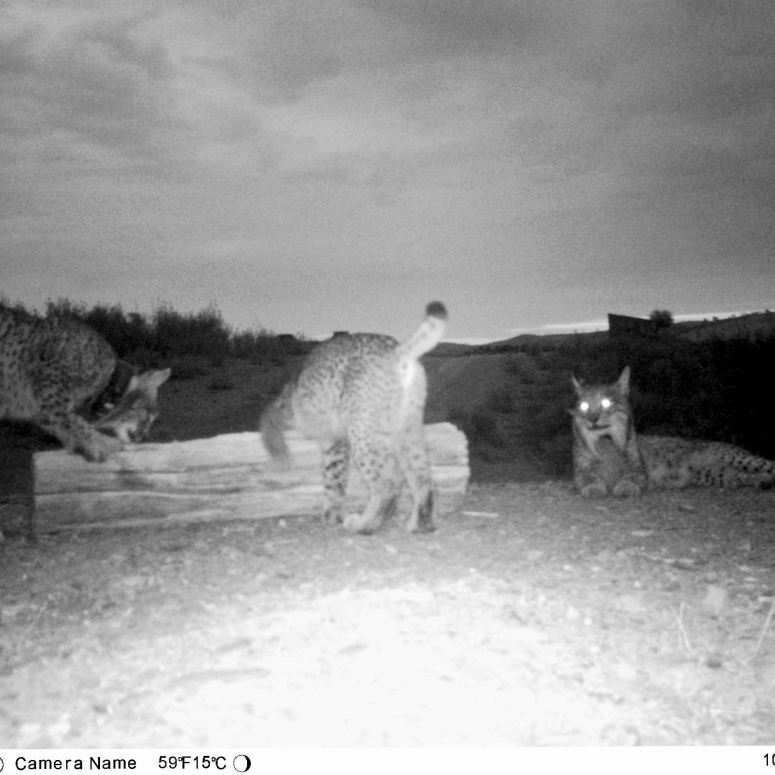
Shared childcare, loving partners and co-operation underpin the success of all of the higher mammals. This really should not surprise us. But it can delight us all the same. We still have so much to learn about the world around us, and that is a gift.
 Siobhan Mitchell