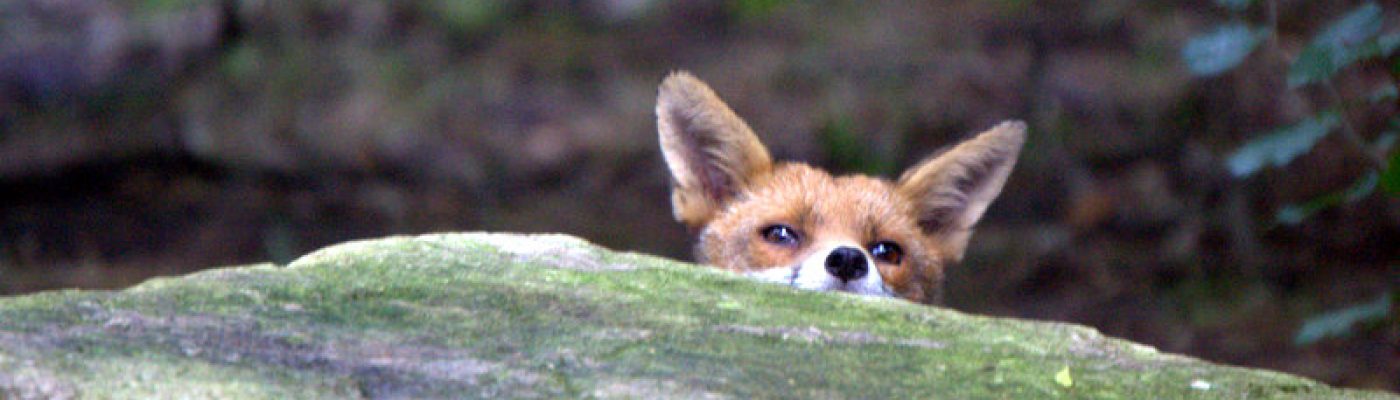
It’s been an interesting journey writing about the fox, and I now have a book about a fascinating and surprisingly cat-like canine, published in the middle of one of Britain’s most brutal past-times – ‘cubbing’. This anachronistic activity continues to this day, in spite of the ban on hunting with dogs, and is thought to account for the deaths of 10,000 young foxes each year.
This adaptable creature is now really successful in our towns and cities while its numbers are crashing in the countryside. The country fox population crash remains largely unexplained, though it has various theories – from overzealous gamekeepers to the lack of worms due to large scale chemical dependent agricultural methods.
Sadly, there is no doubt that foxes are still subjected to brutal hunting with dogs – the hunting season known as ‘cubbing’ has just begun – by Hunts clinging on desperately to the rights to hunt, that they believe or choose to pretend are allowed within the Hunting Act 2004. The exemptions under the act stipulate no more than two hunting dogs and it is yet another anomaly that large packs of hunting dogs remain in the hunting kennels so long after the Act was passed.
This stands in stark contrast to the way the majority of us interact with foxes- people all over British towns and cities are feeding the foxes and enjoying watching their young bounce on their kids trampolines. The hunters that continue this practise stand in stark contrast to most of us and our experiences with foxes, Zeb Soanes, author of the children’s story ‘Gaspard the fox’ based on his interactions with an urban fox being a great example.
I’ve taken a look at the history of hunting in an attempt to reconcile these two disparate realities, from our children’s fiction to the introduction of foxes for hunting into Australia, to the current day and the new information we are gaining about foxes, their behaviour and social organisation now that they are a commonplace sight in our increasingly urban Britain.
My book has fantastic and revealing photos from the wildlife photographer Lawrie Brailey, whether the images are fox cubs peeping out from underneath sheds, or adults lovingly interacting, the trust of the animals for the photographer shines through his images. You can listen to an interview with Brailey talking about how he started out photographing foxes as well as his relationship with the foxes in his local area. Thanks to the success of our fox populations moving ever closer to us in our towns and cities, Lawrie Brailey has been able to get to know these wild animals over the course of the last 6 years.
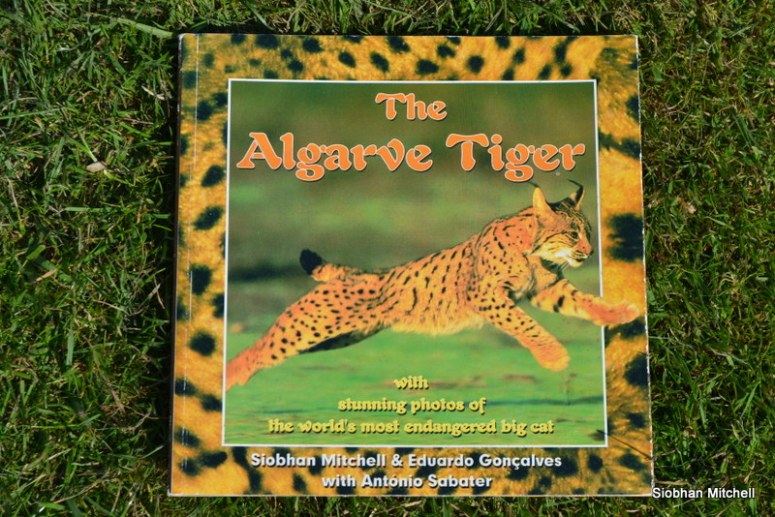
It’s interesting to reflect on the passion of wildlife photographers, as well as the extraordinary patience they need to capture the incredible images they do. I remember Spanish wildlife photographer Antonio Sabater telling us how after one particularly long wait in Donana an Iberian lynx cub had actually walked over him. Antonio Sabater spent 4 years in the Spanish reserve of Donana photographing lynxes in the wild, producing the world’s first record of this incredible cat which was heading for extinction. In the 2002 print of ‘The Algarve Tiger’ his Iberian lynx images literally leapt from the pages and into the hearts and minds of readers.
Whilst the wilds of Donana in southern Spain and the urban environment of southern England are as far apart as two environments can be, these two wildlife photographers have a lot in common. In pursuit of their profession, these men were forced to wait for hours, belly down, patiently waiting for a glimpse of their target, and – if they are lucky- their stiff limbs are sometimes rewarded with moments of magic which they captured for posterity to share with us all.
The wildlife knowledge they need is equal to the patience needed to stalk their subjects, one of the few things they have in common with hunters. I like to think this is proof of evolution of how we can leave the need for bloody trophies way in our past, with a mature manhood, which deploys the same skill and contributes to the whole community in a new and beautiful way. The dedicated wildlife photographer needs extensive wildlife knowledge and a huge reserve of patience for the brief moments of interaction with wild creatures which bring their own incredibly powerful and emotional rewards, and unlike the trophy hunter grossly posing for a ‘selfie’ with their kill, or the foxhunter holding the bloodied remains of a fox in the air, these are bloodless trophies for us all to enjoy.


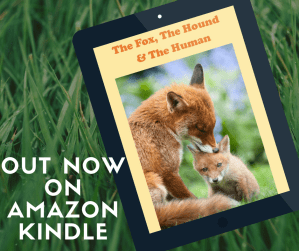
My new book is now live on the virtual bookshelves of Amazon kindle. ‘The Fox, The Hound and The Human’ and it delves into our ever evolving relationship with Britain’s most cat like canine – the fox, has gorgeous photos by wildlife photographer Lawrie Brailey and a foreword by Bill Oddie. I’m working on the print version now and looking forward to hearing more wonderful stories and helping to put an end to cruelty against foxes.
 Siobhan Mitchell