

White storks are breeding in Britain again after 604 years, and this charismatic species is forging a path for wetland habitat creation that will benefit a huge range of other species. This is a true flagship project for biodiversity in Britain, from a project that began in 2016. The first storks hatched at the Knepp Estate in 2020, and they are now breeding successfully (the first chicks of 2023 have just hatched in Kent) and they are expanding into other areas.
I have to admit, I had no idea storks were once so plentiful in Britain, I associate them with Portugal, nesting on the rooftops amongst traditional tiles and chimneys in the Algarve, along with blue skies and bougainvillea. So for me, reading – in Benedict MacDonald’s wonderful book ‘Rebirding’ – that a place I know in Sussex, was formerly known as “Storketon” which means ‘homestead with storks’, was quite the delightful revelation. Other place names in England show how widespread they once were – Storkville in Yorkshire is the most northern example I believe.
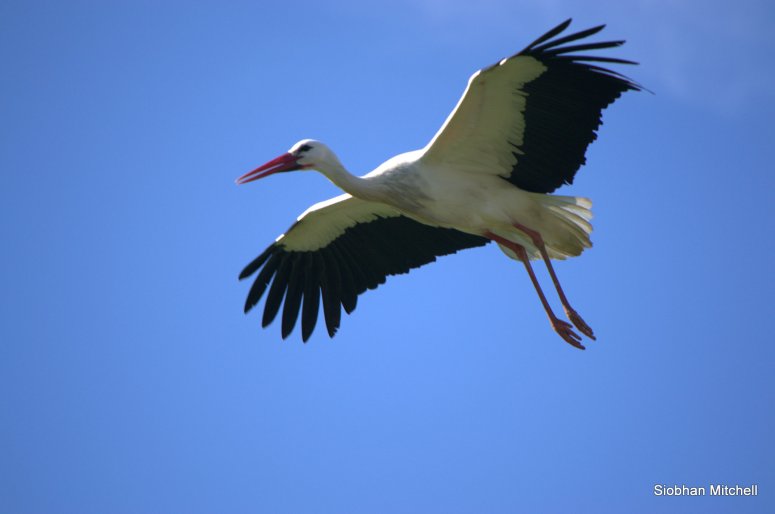
Storks were completely wiped out in Britain more than 600 years ago, by us, through a combination of outright killing and habitat destruction. Storks being – in a strange way – a herd animal, need other storks to feel safe, this meant that while wild storks would still fly over Britain, they would not stop, as they saw no members of their species. Thus, we were stuck in a Catch-22, no storks in Britain meant wild storks would not deem our land a safe place to settle and nest, so they would remain as occasional sightings in the sky unless they were deliberately and consciously returned to our land.
The proactive White Stork Project began in 2016, reintroducing 20 storks donated from Warsaw Zoo in Poland, this included juveniles and 4 adults who were unable to fly due to injury. Storks on the ground meant it was more likely that wild storks would stop by and settle. Keeping the storks in one place is key to encouraging storks to stay and nest, so the rehabilitated but injured storks were a boon for the project, and of course for the reintroduced storks, moving to a wilder habitat was good too, after all these are long-lived birds. Storks can live for up to 30 years. Platforms were built with ramps to assist those that could not fly to nest in trees.
Thanks to the success of earlier stork recovery projects in other European countries like France, the project had lots of experience to pull on, and it was destined for success. Storks were, of course, never completely wiped out in mainland Europe, but in some areas, their numbers were vastly reduced, due to the combination of fatalities caused by the extensive building of post-war electricity pylons networks, and lack of food in their African overwintering areas.
The area of Alsace in France recognised this problem way back in 1976, and thanks to a combination of reduction of threats through small adjustments in the design of electricity pylons and the intensive breeding of stork chicks, boosted numbers of white storks from a low of 10 breeding pairs to over 600 breeding pairs today.
The storks happily breeding in Britain today wave a wonderfully cheerful white flag for nature restoration, sufficiently obvious enough to push through the gloom of the all too numerous red flags of nature-depleted Britain and show in a big, bright obvious way that we can turn things around. And they have the advantage of positive associations of bringing prosperity and new life.
More information:

