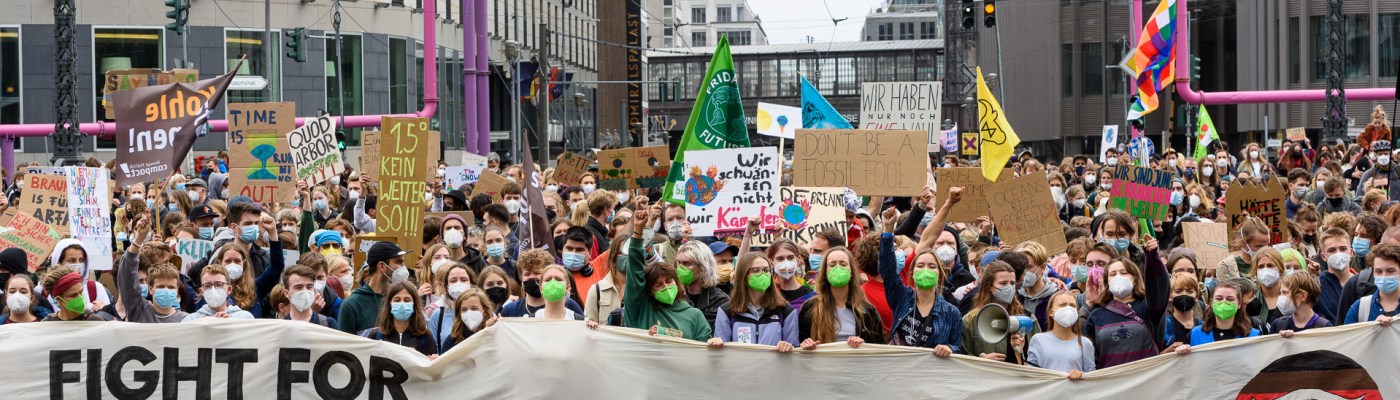
What exactly is “Climate Justice”?
Way back when I first researched climate change impacts, one thing that seemed glaringly unfair to me, was that countries like Bangladesh were going to be (and now are) the worst impacted by flooding resulting from rising seas. These countries had contributed the least to manmade climate change and had the least resources to cope yet were going to be hit hardest.
And conversely, the wealthier European and American countries would be hit less hard and would be able to withstand the impact more easily. It seems this injustice continues within these countries with the poorest people living in flood and tornado-prone areas within the US, the 2022 report ‘Inequitable patterns of US flood risk in the Anthropocene‘ found “that over the next three decades, low income and black communities will bear the brunt of the increasing flood risk.” And poorer communities are given less of a priority when floods do hit, see ‘When Storms hit, poorer communities suffer the most‘
This video from Global Witness explains Climate Justice succinctly.
So, basically poor people across the world are less able to cope and are going to be hit hardest. The double injustice of this, and its flipside that wealthier countries will be impacted less, also adds to the unwillingness, reluctance, or outright denial which combine to create the lack of action on climate change at a political national, and international level. Because on a global level, I’m alright Jack, is a disincentive to make radical changes. So the wealthier countries, that could absorb the costs are just not pushed enough to take risks, challenge the extractive fossil fuel base of their own wealth, and a few well-meaning statements aside, carry on as normal.
But, this doesn’t just happen on a global scale, it happens within countries too, and this is where adaption to rapid fluctuations in heat and cold start to impact the most vulnerable more quickly, this is why alongside the foodbanks that all too many Brits are now dependent on we hear of fuel poverty. It is a huge concern for many people in Britain this year, but it has been a problem for a lot longer. Fossil fuel is no longer cheap. It should never have been, it’s true.
But the fact that we haven’t weaned ourselves from our dependency has meant all too many people are bracing themselves for a long, hard winter. And it goes without saying, but we should say it out loud nonetheless, but the vulnerable are the ones who will be hit hardest. The rule of I’m alright Jack remains.
I was shocked by a recent discussion on LinkedIn at just how entrenched in this mentality my own ‘peers’ are, I say peers because of our age and University education, but I cannot stomach the choices which have already been made. My peers have plans to decamp when the going gets tough, my peers, though they are arguably in the best position to affect change at a policy level and to adapt to be resilient to changes caused by climate change, will look after themselves first.
This was the chilling rejoinder to that discussion, the upper middle class will move, they have plans for this and some of them have done it already:
“a number of people have told me that they are planning to migrate (or have already migrated), although they don’t want to speak publicly about it. It is an interesting phenomenon. When push comes to shove with climate, let’s hope ethics remain strong, but history tells us otherwise. If people have kids, for example, they can easily and justifiably say that they are migrating for the sake of their children. That is why we need to build resilient regenerative communities and regions as quickly as we can so that we don’t need to have people’s ethics tested! I fear ethics only withstand limited stress testing for most of humanity.”
So there it was, glaring at me in black and white, the calculated escape route. The ultimate “I’m alright Jack!”
And there is no justice in this.
We may have failed as a generation to get politicians to tackle this issue effectively but we can also sidestep the impact, and maybe – just maybe – that was always what contributed to the problem.
Most of all, it seems to me, that the ongoing climate crisis is a failure of our society, and of democracy. Our vulnerable, globally and locally, are simply not being protected and cared for the most, we are instead leaving them to fend for themselves.
And I am ashamed of my peers.

