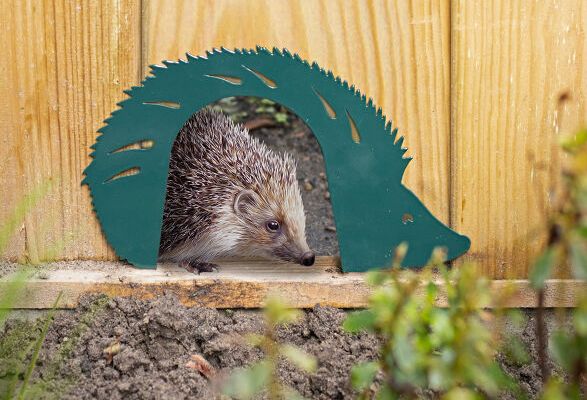

‘Hogs and Slugs are polar opposites in our affections, the hedgehog has a cute friendly image and a firm place in our hearts, and the slug, well, a quick search brings up a raft of ways to destroy them. But if we are to save the endangered British hedgehog we might need to change our thinking on these slimy inhabitants of our gardens.
Hedgehogs were added to the IUCN red list in 2020, this official classification of Mr Prickles as vulnerable to extinction was a stark reminder that all is far from well in the British countryside. But this year’s survey reveals some hope, hedgehog numbers are stabilising and may even be increasing in Britain. The surprising thing is that this is happening in our urban centres, NOT in the countryside.
So, it is those of us, in our town gardens and public spaces, the ‘townies’ so reviled by the Countryside Alliance that are bringing the humble hedgehog back from the brink as sadly, in our rural areas the hedgehog continues its decline.
So, how are we doing this?
Well, a variety of changes in our garden habits have improved things for these creatures.
Highways
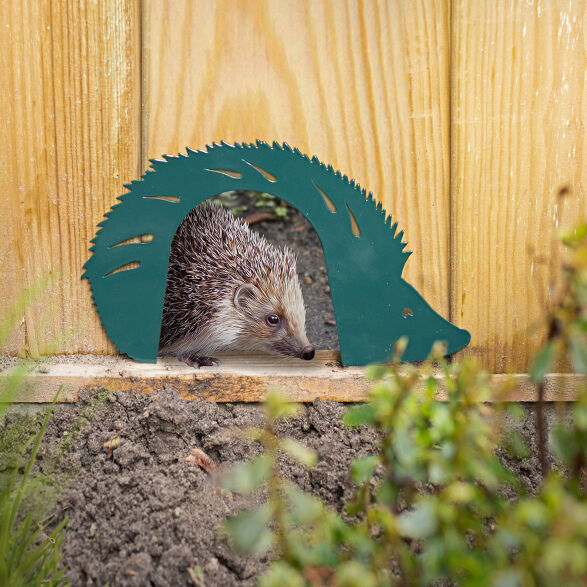
Hedgehogs have faced a growing number of literal barriers as we have increasingly fenced our gardens and the awareness of the impact of this barrier has over recent years led to the community initiative known as ‘hedgehog highways’. Based on the fact that hedgehogs roam around up to two kilometres each night, the act of making holes in our fences to connect our gardens and allow hedgehogs to travel through is thought to be the single most effective way we can help hedgehogs. And this is an idea that has grown in popularity all over Britain, just as it has brought communities together.
Messy gardens
An increase in ‘wild patches’ or ‘messy gardening’ has helped, hedgehogs need a place to sleep undisturbed, to raise their young, whether this is an artificial hedgehog house or a patch of leaves in an undisturbed corner. Lockdown brought us home literally, and that included our gardens, which grew in importance as our world shrank. And in many cases, our interest in wildlife gardening flourished as we took the time to notice our micro wildlife, certainly many a Facebook friend of mine, gave their garden a makeover which included ‘wild spaces’. This accelerated a trend in ‘wildlife gardening’ and the information on how to do this is readily available thanks to organisations like the RSPB and their Make Space for Wildlife campaign. Local Councils have also been quick to jump on the cost-saving measure of ‘rewilding’ our parks and grass verges.
Chemical-free
In general, and perhaps most importantly of all an increased interest in organic gardening has improved the situation in our gardens faster than it has in the countryside. Despite the war on pests evidenced by the shelves loaded with toxic chemicals in the gardening sections of British stores as spring approaches, there is a growing distaste for the manicured lawn maintained by fungicides and herbicides.
Slugs
The hedgehogs love munching on slugs. In what could be a game-changer for hedgehogs comes the news this week that the great bastion of British gardens the Royal Horticultural Society has decided to stop its war on slugs. They revealed research showing that only 9 of the 44 gastropods actually are lettuce munching pests and while some gardeners may continue to see the slug or snail as enemy number one, using the slug pellet with its dire consequences for hedgehogs could soon be a thing of the past.
“Amid the climate and biodiversity emergencies, now is the time to gracefully accept, even actively encourage, more of this life into our gardens.”
RHS Entomologist Andrew Salisbury
Food, Shelter and Freedom to roam!
By welcoming slugs(!) and breaking down fencing barriers to hedgehog movement and leaving space for wildlife in our outdoor space we could see a rapid uptick in the numbers of our cute prickly garden visitors. Because, like us, their needs are essentially simple: Food, freedom to roam and forage, and somewhere to rest their heads.
And we can give them all of this in our towns and cities.
Read more about hedgehogs from the latest survey here
 Siobhan Mitchell