
The survey of insects hitting car windscreens in rural Denmark used data collected every summer from 1997 to 2017 and found an 80% decline in abundance. It also found a parallel decline in the number of swallows and martins, birds that live on insects.
The Guardian
Rewilding and Why we Need Bugs
I spent much of my childhood wandering in the fields near my home – mostly farmland – watching birds make nests and bees and butterflies go about their business, at the weekends I scrubbed the squished bugs from the windscreen of our family car. But just as bug cleaning is now a rarity, so are the birds for whom these were food. The very idea that so many of the birds and mammals I took seeing and hearing for granted are now endangered seems ludicrous to me, surely our awareness of the harm we are causing to the wildlife around us has increased since I was a child? After all, ‘Silent Spring‘ by Rachel Carson was published way back in 1962.
But we did not translate this knowledge into real action and the lack of splatted bugs is part of that evidence that we failed to act on what we knew. Over the last forty years, our rural areas have become deserts, largely as a result of the farming subsidies that have produced food surplus and depleted nature, a fact that is masked by the artificial fertilized green of the crops grown in them but evidenced by the lack of bugs splatting onto our windscreens. The signs were there in our ever cleaner windscreens, but this lack of dead bodies just wasn’t seen as a problem.
In the same period of time, our towns and cities have become havens for some birds and mammals, and this is where some wild animals populations are stable or increasing, from foxes and hedgehogs to peregrine falcons. These adapted wild animals have found a surplus of food and shelter, and a lack of persecution. Our gardens are increasingly filled – by us – with seed and fat balls on bird tables and bird feeders, bird and bat and bug boxes, hedgehog holes are being created in fences and wildflower patches and ponds are all providing pockets of the essentials for all life, shelter, and food. We are using social media to share our efforts, and this helps us by positively reinforcing our joy and enabling us to find like minds beyond our immediate neighbours, friends and family.
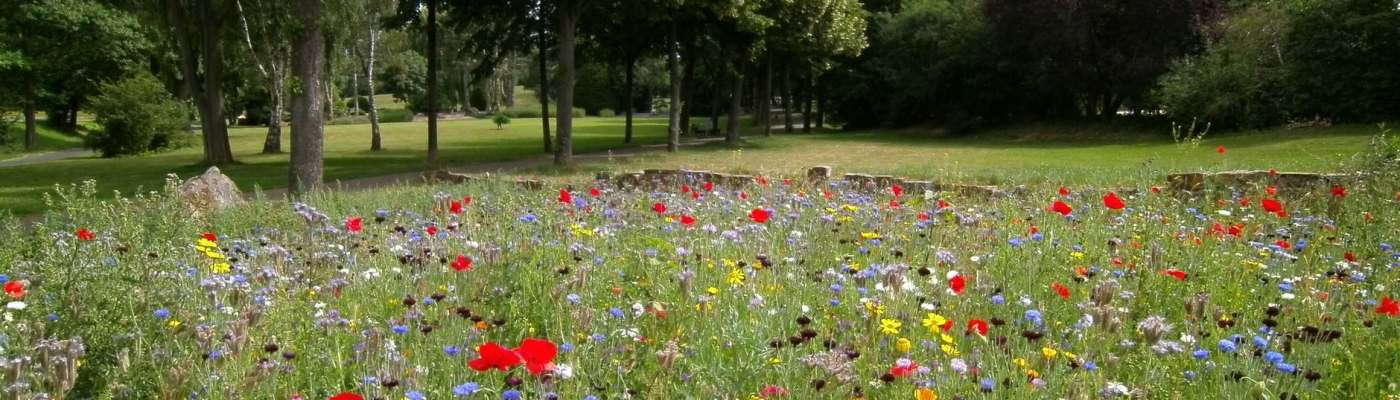
So we do need to keep sharing, and keep on sowing wildflower seeds, because our wildflower patches are supporting insect life, which provides food for birds, and we should keep on putting up bug, bat, and birdhouses and creating wildlife ponds, because every little really does help. And our combined efforts can really make a difference, our gardens combined, we collectively have the power to influence about 433,000 hectares or 4,330 square kilometres, a bit more than a fifth the size of Wales.
We do need to tackle pesticides too. The gardening sections of our spring/seasonal shelves are all too often loaded with pesticides, and we will be reducing the food available for young birds and hedgehogs every time we use them, because while we may be feeding seed-eating birds in our gardens we need to ensure the insect feeders can feed their young too. Chemical use in the last forty years has increased exponentially and is too often the action of first resort. Local councils, even those that have enthusiastically embraced rewilded grass verges, (which saves them money) are still responding to the complaints of residents of overgrown pavements with a chemical spray because this is still the cheapest option.
So, please embrace the bugs, leave space for the wild in your garden patch, because our wildflower patches are supporting insect life, which provides food for birds, and we must keep on building our bug, bat and birdhouses. But most of all we must stop using chemicals that destroy life. And get ready to start cleaning our windscreens again.
And contact your local council to complain about pesticide and herbicide use – it could counter all of those complaints from residents about plants springing up in the cracks of our pavements, this is one of the biggest causes of complaints from residents in the spring. You can check the pesticide action network for more information and consider approaching your council about switching to alternatives to chemical sprays.
 Siobhan Mitchell