The surge of water upwards of a natural geyser. What better way to visualise what is really happening to people’s wealth (thankyou for the phrase Arundhati Roy). I was taught the theory of ‘trickle down’ economics as part of my A Level studies back in the 80’s and as an image it makes perfect sense, as we see every time we turn on a tap, water falls downwards, and it is shared out over a greater distance as it falls. As I studied for my degree it was there again, with some criticism in a Third World development context, but it was still the predominant theory.
But if we take a minute to cast around our reality, it really doesn’t make sense in economic terms because as we know rich people quickly shore up their wealth, create off-shore tax havens, award contracts to their equally wealthy friends and generally speaking do not like to share. In the very recent words of Joe Biden “Trickle-down economics has never worked”
“Trickle-down economics has never worked” Joe Biden, President of the USA
Biden’s first address to a joint session of Congress, 2021.
So, instead of wealth trickling down and percolating to the masses generally improving our lives, the reality is that the richest tiny percentage of human wealth is becoming even wealthier, the wealth becoming even more concentrated at the top, while food bank queues in Britain grow longer and are filled with working people.

The longer we except those food banks, and in our down time from our zero hours contract jobs, revel in the visual entertainment of the super rich the more we give this state of our affairs our tacit approval. And then the status quo becomes even harder to shift. We have billionaires running our daily lives, giving handouts to each other while we literally subsidise their lifestyles. And, yet we vote for them, join them in scapegoating the poor, the disabled, the asylum seekers, and we diminish our own humanity as we do this.
Whatever happened to democracy? And since when did voting for millionaires become a protest vote.
Democracy only works for us when we actively participate, that means putting in the necessary time and effort to engage, that means we have to feel it is relevant and worth fighting for.
It wasn’t always this way..
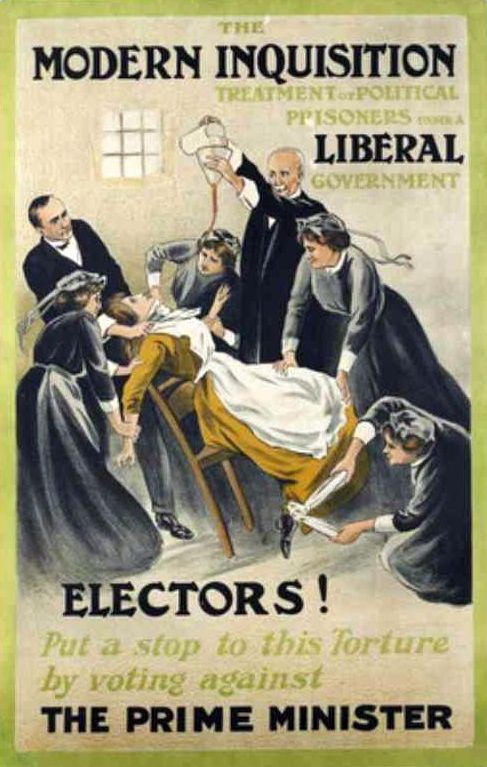
This should not be news to you, but I have to admit when I first explored this, much of the suffragette movements actions and the State’s response to these women was news to me. Women fought for the vote in Britain. It is not something we were given, it is something we earnt. And that is the way of most democratic rights and social reforms worldwide. One person’s terrorist is another’s freedom fighter. And in another newsflash to Brexit Britain which seems to have the most myopic historical knowledge in the world, Britain did not give independence to its colonies. People fought and died and earnt their independence from a repressive exploitative foreign power.
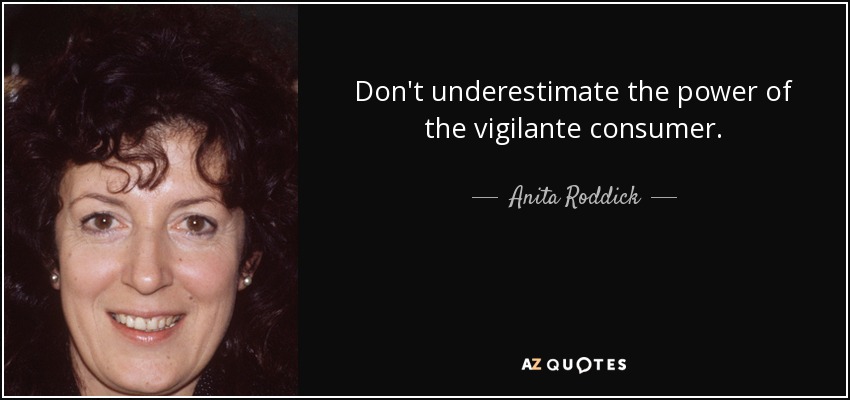
As consumers one of our first knee jerk responses to the news of the latest atrocity is to threaten the profits of companies or countries. ‘Boycott them! Is one of the most common protests, along with signing a petition. Arguably it has a greater success rate. Companies in this age of the speedy one click response of social media calls for action can roll out a change of policy rapidly – as long as their bottom line has a substantial threat. So it is often the threat of a boycott is often enough.
The move away from meat consumption to vegetarian and vegan produce, fits well within the given economic models and is catered for quickly – the market responds and isn’t actually challenged too much, it is a change of production that can still fit within shareholders profit margins as there is not substantial shift in this balance of power.
A move to small scale local vegetable suppliers is much slower, it challenges us as consumers to seek out and support local produce which is often less ‘convenient’ and would mean we need to adapt to seasonal variations in supply, it is seen as a elitest, middle class preserve rather than a universal right, as a way to maintain local jobs, and quality of produce.
Even in our ‘market towns’ the way we produce our food has become predominantly big business, using the economies of scale, and weak employment regulations, coupled with EU farming subsidies have created deserts of mass produced low quality food that has the sole benefit of being ‘cheap’ when it reaches us as consumers.
The majority of our food shopping still comes plastic wrapped and flown in to Britain, and is becoming increasingly less self sufficient. The UK is just 18% self-sufficient in fruit and 55% in fresh veg – the latter declining 16% in the past two decades.
The question of why food transported from the other side of the world is cheaper than fresh, local seasonal food is not the subject of debate or protest. No-one is protesting while the food is cheap and year-round available. That convenience makes sense of why we do not protest. But not of why we do not protest the injustice of a working wage that does not extend to cover the basic right of enough to eat.
We need to engage, we need to protest and we need to stop subsidising the rich, as well as damaging industry like fossil fuels. Our economic system is just not working for most of us. We need to embrace a new circular economic sytem that does, and fight for other basic rights like clean air and healthy food.
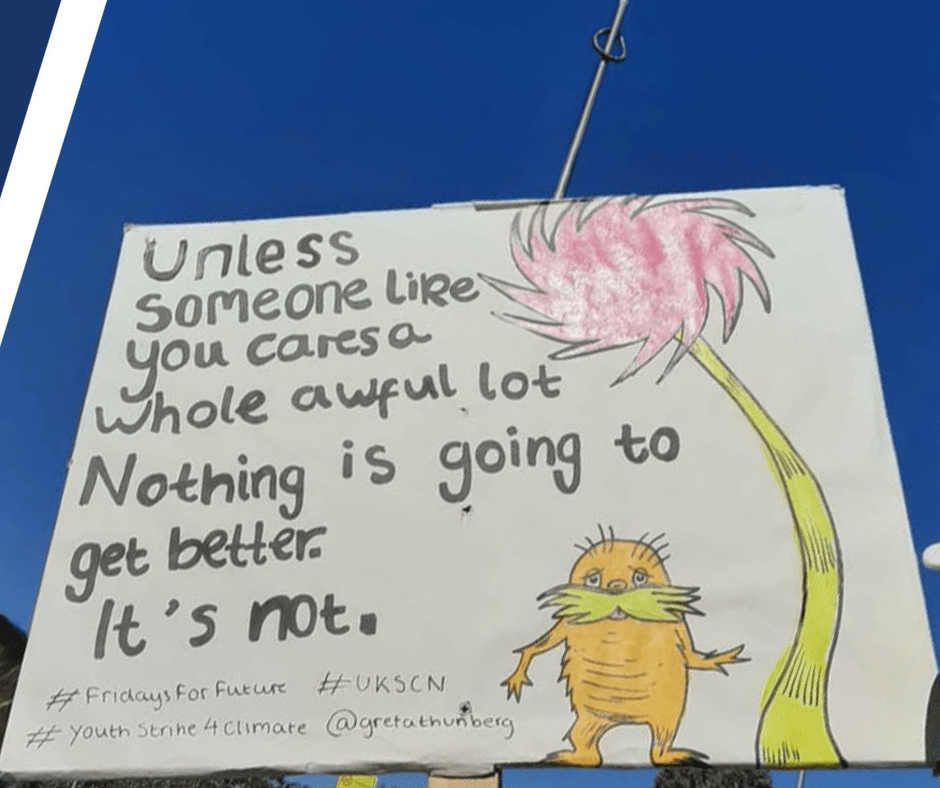
The future is as bright as we imagine it, and as good as we fight for. For more practical ideas take a look at Kate Raworth’s ideas and in particular at Doughnut Economics, the British Economist is currently helping Amsterdam to put these ideas into practice. This is real new economics in the real world. It’s exciting and it is here.
 Siobhan Mitchell
One thought on “Gush Up”